The Allure of Chance and Winning
The psychology of gambling is deeply rooted in the thrill that comes from uncertainty and the possibility of winning. Casinos tap into this allure by creating environments filled with flashing lights, exciting sounds, and the close proximity of other players engaged in the same exhilarating pursuit. This atmosphere stimulates the brain’s reward system, releasing dopamine and heightening the senses, often leading players to chase the elusive feeling of a big win. Online enthusiasts may find that exploring the best uk non gamstop casinos enhances their experience as they seek out excitement.
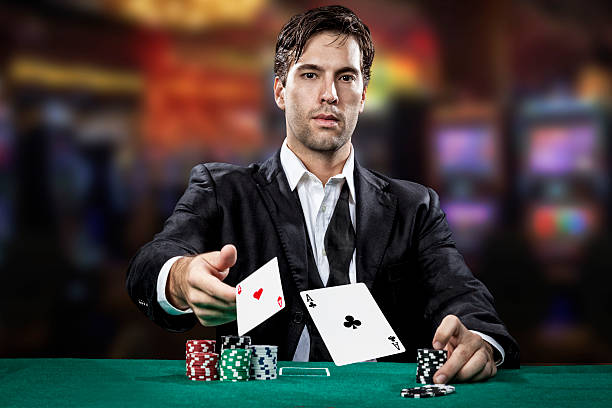
Moreover, the randomness associated with games of chance can lead players to develop irrational beliefs about their ability to influence outcomes. Concepts such as the “hot streak”—the belief that winning comes in waves—are common among gamblers. Such cognitive biases drive continued participation, as players may feel that they are close to hitting a big win, further fueling their desire to keep playing.
The Role of Emotion and Decision Making
Emotions play a significant role in gambling behavior, often overshadowing rational decision-making. When players experience winning, they feel elation, which can cloud their judgment and lead to increased betting. Conversely, losses can evoke frustration or sadness, prompting a “chase” to recover lost funds. This emotional rollercoaster is both a driving force and a risk; it can lead individuals to wager more than they can afford in hopes of recouping losses.
Additionally, the concept of loss aversion—where the pain of losing feels more significant than the joy of winning—can compel players to continue gambling. This principle explains why many gamblers find it challenging to walk away after a loss, as they attempt to neutralize their negative experiences. Such behaviors reveal the complex interplay between emotion and rationality that characterizes player decisions at casinos.
The Influence of Social Factors
Social dynamics greatly influence gambling behavior, especially in a casino setting. The presence of other players can amplify excitement and create a sense of community, making the gambling experience more enjoyable. Peer influence can also lead to increased betting and risk-taking, as individuals often mimic the behaviors of those around them in the hopes of sharing in the experience of winning.
Moreover, advertising and promotional strategies employed by casinos can play a substantial role in shaping player behavior. Exclusive events, VIP memberships, and loyalty programs create a sense of belonging and reward, encouraging players to engage more frequently. This social reinforcement, combined with the thrill of gambling, can lead to compulsive behaviors, where players feel compelled to return to the casino to sustain their social interactions and the associated rush.
The Impact of Personal Background and Identity
Individual backgrounds significantly affect how players approach gambling. Factors such as socioeconomic status, cultural beliefs, and past experiences contribute to a person’s gambling style and behavior. For instance, individuals from different cultural backgrounds may have varying attitudes towards risk and luck, influencing how they engage with casinos.
Additionally, personal identity plays a role in shaping gambling behavior. Some individuals may gamble for social validation or to fit in with a particular group, while others may seek an escape from daily life or a boost in self-esteem. This psychological need to affirm oneself or find belonging can drive people to casinos, making it crucial to consider the broader context of their lives when analyzing their gambling habits.

Understanding Casino Operations and Player Psychology
Casinos are not merely venues for chance; they are designed with an intricate understanding of player psychology. The layout, design, and operation of a casino are strategically crafted to keep players engaged longer and encourage spending. By using concepts from psychology, casino operators can manipulate environmental factors such as sound, light, and layout to influence player behavior positively.
The focus on customer experience is paramount; casinos consider every detail, from the layout of game machines to the availability of complimentary services. This attention to detail is driven by an understanding of player psychology—creating a welcoming environment encourages longer playtime and greater spending. Therefore, an understanding of the psychological mechanisms at play is essential not only for players but also for casino operators striving for success in a competitive industry.